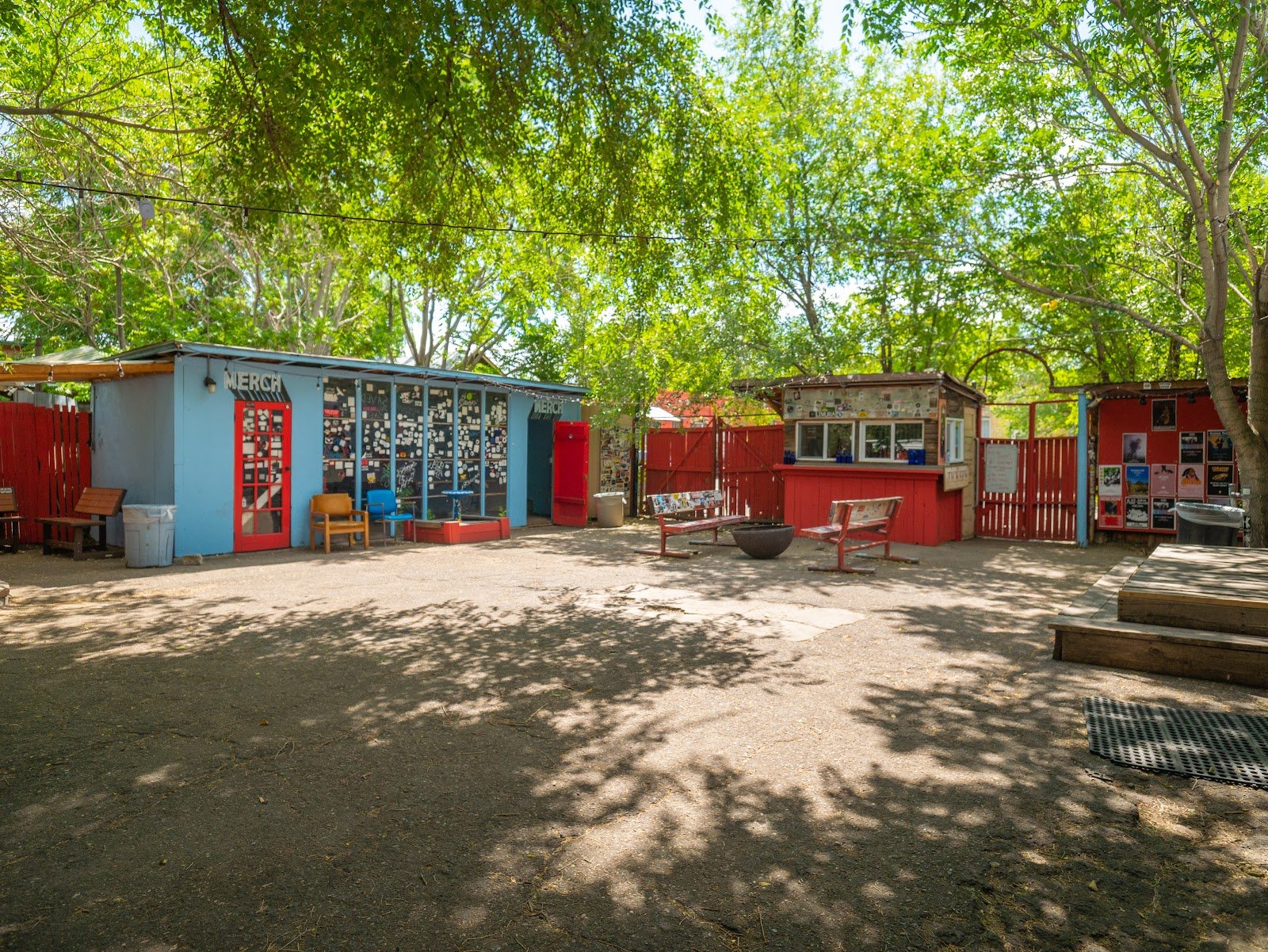
On January 1, 2008, Will Sartain got the keys to Kilby Court. He was 23.
He had first walked through that door at 16, seen a show that changed him, and spent the next seven years volunteering, then booking, then watching Phil Sherburne burn out on the place he'd built.
A Rescue, Not a Deal
Sherburne didn't want to sell. He wanted out. Sartain and his partner Lance Saunders stepped in not because it was a good business move, but because they "did not want the demise of Kilby on our hands."
The first move
Same day they signed the paperwork, S&S launched Kilby Records — releasing music for local bands like Band of Annuals and TaughtMe. Day one. No grace period.
Lifting the Ban
Sherburne and Leia Bell had put a ban on heavy punk and metal in place after violent incidents. S&S lifted it. New rule: "We are OK with any music as long as it is not violent." Deafheaven, Perfect Pussy, and Touché Amoré soon followed.
Building the Ladder
Within months, S&S had taken over Urban Lounge. Then Metro Music Hall. A ladder for local bands: start at Kilby in front of 50 people, graduate to Urban Lounge at 400, eventually move up to the festival circuit.
Built to Spill chose Kilby over Urban Lounge because they wanted a crowd there for the music, not the drinks. Sold out in two days. That show is the thesis of the operation in one line.
A Thousand Shows a Year
That scrappy operation now produces over 1,000 concerts a year. It birthed the Kilby Block Party, which draws 40,000 people a day to the Utah State Fairpark and books The Strokes, the Pixies, and Pavement.
It started with two guys who couldn't watch a garage venue die.
Were you at Kilby during the S&S era? What was the first show you saw there?
More from The Salt Vault →The Salt Vault · History · S&S Presents